2D Floor Plan vs 3D Elevation: Essential Insights for Homeowners
Creating a home can be thrilling, yet the process often leaves homeowners puzzled, particularly when distinguishing between a 2D floor plan and a 3D elevation. These two elements are crucial in the design process, each fulfilling a distinct role.
Published
February 18, 2026
Reading Time
1 Min Read
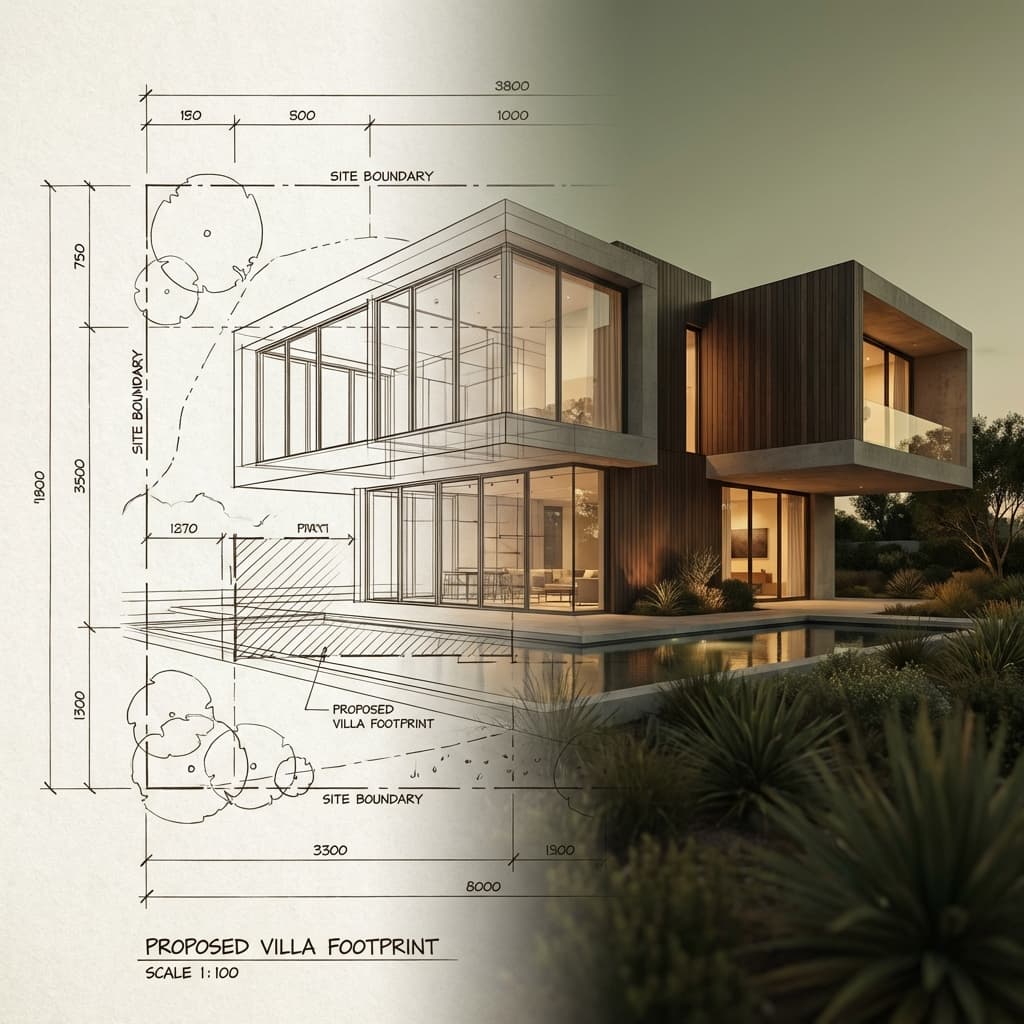
Creating a home can be thrilling, yet the process often leaves homeowners puzzled, particularly when distinguishing between a 2D floor plan and a 3D elevation. These two elements are crucial in the design process, each fulfilling a distinct role. Many people hastily approve blueprints without fully grasping their implications, leading to surprises during construction.
As an architect with extensive experience guiding new home builders across India, I've crafted this straightforward guide to help you understand these drawings better and make informed design choices.
Understanding the 2D Floor Plan
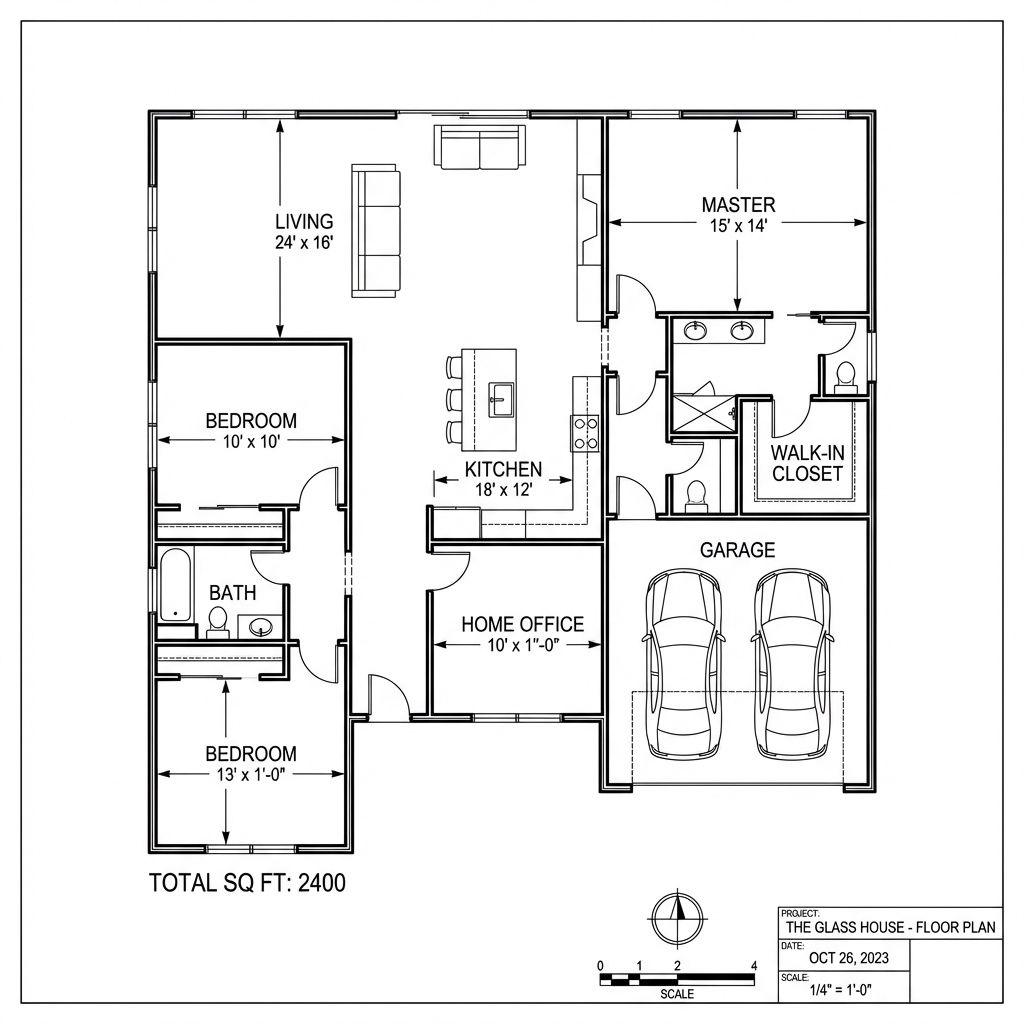
A 2D floor plan offers a bird's-eye view of a home, providing details like room sizes, wall placements, and door and window locations. It facilitates effective movement within the space, ensuring adequate lighting, ventilation, and storage. A well-conceived 2D plan is the backbone of comfortable living, whereas a poor one can lead to impractical spaces and wasted areas.
Comprehending the 3D Elevation
A 3D elevation gives you a realistic preview of your home's exterior. It highlights the architectural style, material finishes, and overall aesthetic, helping you visualize the final look before construction. This visualization reduces the risk of unexpected outcomes and helps in making confident design decisions.

Distinguishing Features of 2D Floor Plans vs. 3D Elevations
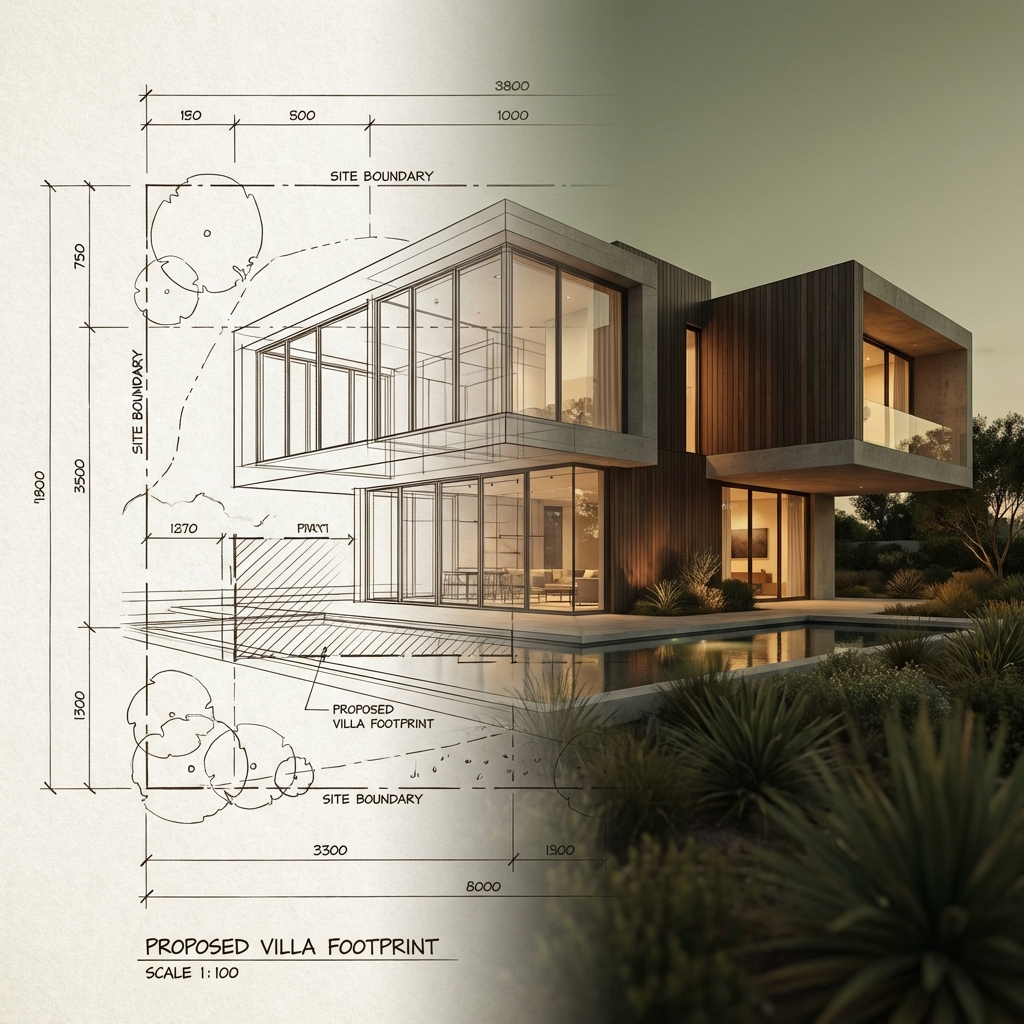
While a 2D floor plan focuses on functionality and internal space planning, a 3D elevation emphasizes visual appeal and external aesthetics. Both serve unique purposes and cater to different phases of home design, with 2D plans necessary in the early stages and 3D elevations following once layouts are finalized.
The Importance of Both Drawings
Both the 2D floor plan and 3D elevation are necessary to create a home that is both functional and visually appealing. Skipping one can lead to design flaws or aesthetic mismatches that diminish the overall quality and satisfaction with the final product.
The Creation Process of Architectural Drawings
- Initial Discussion: Share your plot details, family needs, and budget with your architect.
- Sketching: A rough layout may be drawn to visualize room placement.
- 2D Floor Plan: Finalized with precise measurements and room configurations.
- 3D Massing Concept: A basic model checks proportions and heights.
- Detailed 3D Elevation: Materials, colors, and textures are added.
- Renderings: Produces a photo-realistic image of the design.
- Revisions: Produces a photo-realistic image of the design.
- Other working Drawings: Incorporate feedback for final adjustments.
Real-Life Examples in Indian Homes
Urban Sites: In cities, a 2D plan maximizes space and ventilation, while a 3D elevation enhances the facade.
Duplex Homes: Zoning and lighting are key in 2D plans, with vertical elements highlighted in 3D designs.
Traditional Homes: Simple layouts with grand elevations balance tradition and modernity.
Financial Aspects of 2D and 3D Drawings
Costs vary based on complexity and location. A 2D plan might cost between ₹5 to ₹25 per square foot, while a 3D elevation ranges from ₹7,000 to ₹35,000 per view. Investing in both can prevent costly construction errors. But you get the best deal and cut throat prices for complete architectural designs package with Plan My Plot design services.
Common Mistakes in Home Design
Homeowners often approve plans without understanding scale, focus too much on aesthetics, or make excessive revisions. Ignoring functionality or copying designs without context can also lead to issues.
Architect's Pro Tips
- Finalize your 2D plan before starting on the elevation.
- Ensure rooms are practical by considering furniture placement.
- Explore multiple elevation styles before deciding.
- Limit material finishes to maintain a clean look.
- Consider light and shadow in 3D renders for a better feel of the space.
Key Do’s and Don’ts
Do’s
- Understand the 2D plan thoroughly.
- Compare different elevation styles.
- Consider Vastu after space planning.
- Choose materials with long-term maintenance in mind.
Don’ts
- Don’t rush the design process.
- Avoid using too many colors or textures.
- Don’t allow room size changes once construction begins.
FAQs
Which should be done first, the 2D floor plan or 3D elevation?
Finalize the 2D floor plan first as it sets the structural foundation.
Do I need both types of drawings?
Yes, to guide construction and visualize the design effectively.
How accurate are 3D elevations?
They are 70–95% accurate, with minor variations possible due to lighting and materials.
Can a 3D elevation fix a poor floor plan?
No, it can only enhance appearance, not solve functionality issues.
Why do 3D designs cost more?
They require detailed modeling and rendering, demanding skill and time.
How many revisions are standard?
Typically 1–3 for 2D plans and 1–2 for 3D designs, depends on the pricing.
"Building a home is a significant milestone. Understanding architectural tools like 2D and 3D drawings empowers you to make confident decisions, ensuring your home is both beautiful and comfortable. Engage openly with your architect and take the time needed for thoughtful design."